The Ultimate Care Guide for Your Alexander Rose Timber Garden Bench
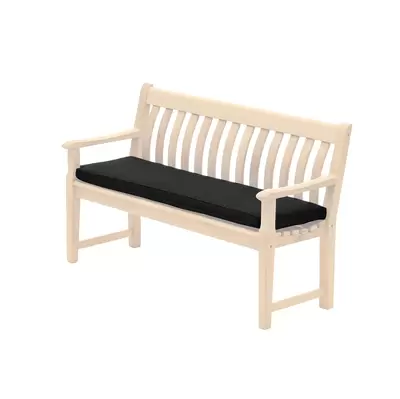
Investing in an Alexander Rose timber bench is a commitment to quality and timeless garden aesthetics. However, because wood is a natural, living material, it changes over time. Whether you’ve noticed your bench turning silver, developing small cracks, or showing dark spots, this guide will help you understand what’s happening and how to keep it looking beautiful for years to come.
Common Questions About Alexander Rose Timber Garden Benches
1. Why does my Alexander Rose timber bench turn silver?
This is the most common change owners notice. The transition to a silvery-grey patina is a natural process called "weathering." When timber is exposed to UV rays and rain, the surface fibers oxidize. This doesn't mean the wood is rotting; it is simply the wood’s way of creating a protective outer layer. Many people prefer this "aged" look as it blends seamlessly into a natural garden setting.
2. Does leaving an Alexander Rose bench untreated affect the lifespan?
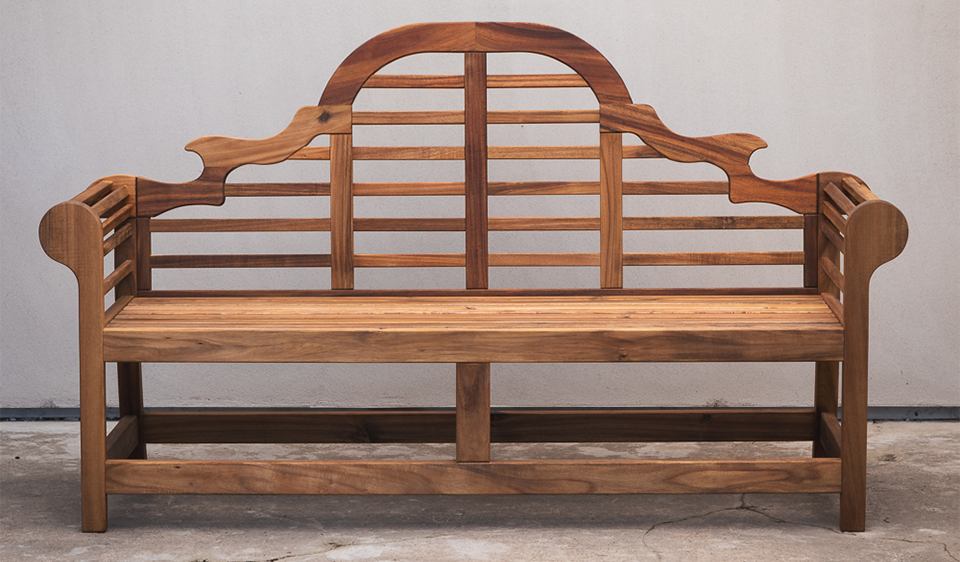
Generally, no—provided it is a hardwood. Alexander Rose uses high-quality hardwoods like Teak, Roble, and Cornis. These timbers have dense grains and high natural oil content that protect them from rot. An untreated bench will turn silver but remain structurally sound for decades, whereas a treated bench will simply retain its original golden-brown glow.
3. Why does my Alexander Rose timber bench turn black?
If you notice black spots or a dark film, it is usually not a defect in the wood. It is caused by atmospheric spores (mold or mildew) or dirt settling on the surface. This often occurs if the bench is placed in a damp, shaded area or underneath trees where sap can drip onto the timber. It is a surface-level issue and can be easily cleaned away.
4. Is it a good idea to cover my bench?
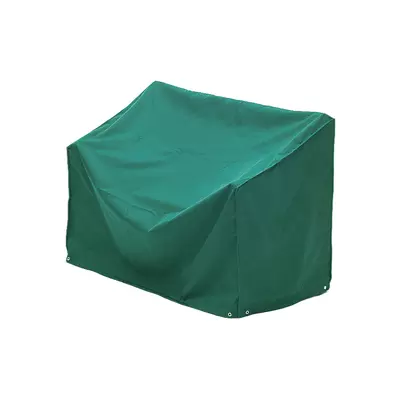
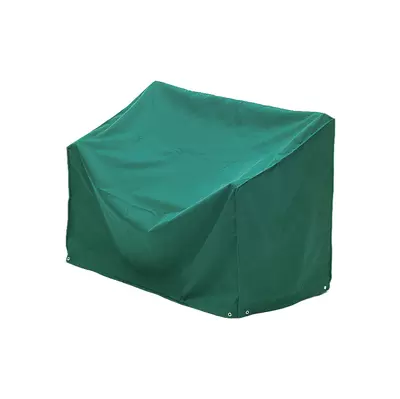
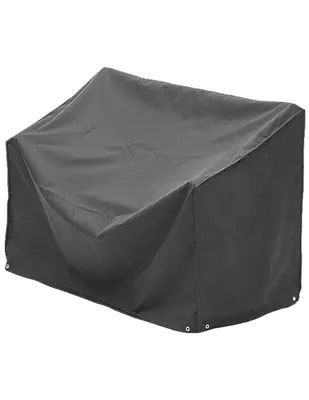
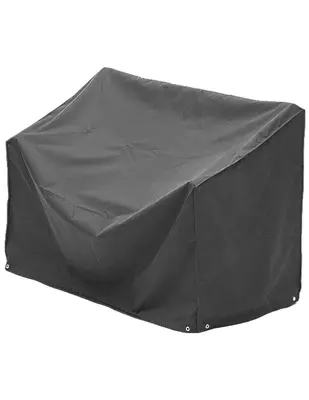
Yes, but the cover must be breathable. Covering your bench during winter protects it from the worst of the elements, bird droppings, and sap. However, using a non-breathable plastic sheet can trap moisture, creating a "greenhouse effect" that encourages mold and black spots. Always use a genuine Alexander Rose cover, as these are designed to allow air to circulate.
5. Why are there small cracks in the ends of my bench arms?
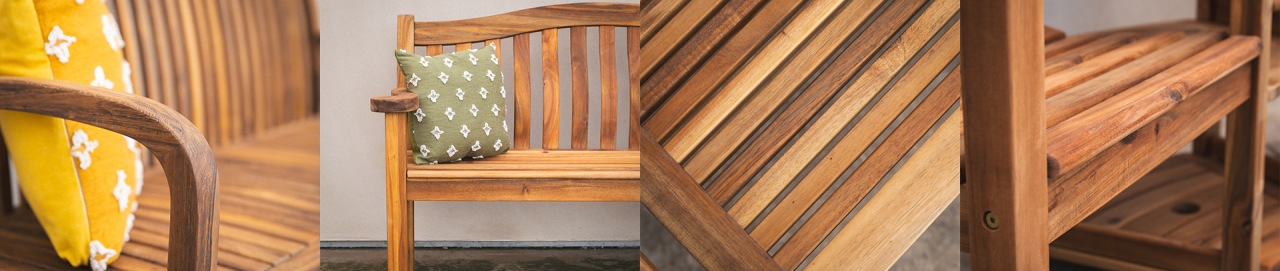
This is known as "End Grain Cracking" or "checking." Timber is a natural material that "breathes" by absorbing and releasing moisture. The ends of the arms (the end grain) dry out faster than the rest of the wood, causing the fibers to pull apart slightly. This is a natural characteristic of timber and does not affect the structural integrity of your bench.
How to Restore Your Alexander Rose Timber Bench
If you prefer the "showroom" look over the weathered silver look, restoration is straightforward. Follow these steps to bring back that rich, warm timber hue:
-
Clean: Use a stiff brush and a timber cleaner to remove surface dirt, algae, and spores.
-
Sand: Once completely dry, lightly sand the surface with fine-grit sandpaper. This removes the silvered top layer and smoothes out any end-grain checking.
-
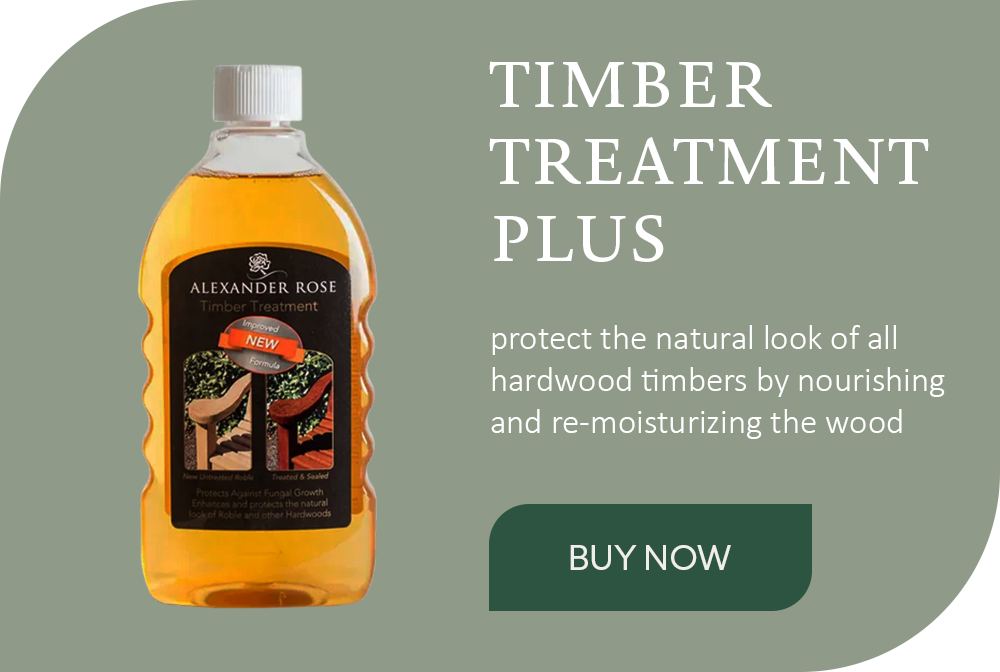
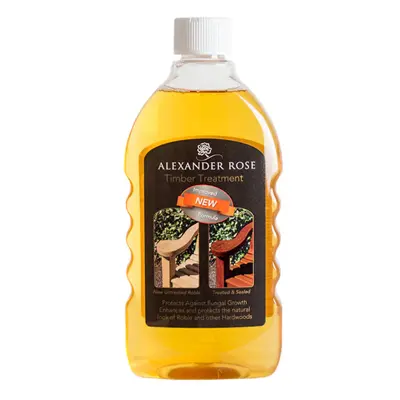
Treat: Apply a high-quality protector. We highly recommend using Alexander Rose Timber Treatment Plus.
Pro Tip: Unlike standard oils, Alexander Rose Timber Treatment Plus contains UV inhibitors to slow down the silvering process and antifungal additives to prevent blackening.
How to Prevent Common Timber Issues
Proactive care is the best way to ensure your bench stays in top condition. Follow these essential maintenance tips:
-
Prevent Mold & Black Spots: Always use a breathable furniture cover during the off-season. Regularly wipe down the timber with a damp cloth to remove bird droppings, leaf litter, and sticky tree sap before they can settle into the grain.
-
Avoid Deep Cracking: Try to avoid placing your bench directly next to high-heat sources, such as fire pits or patio heaters. Intense heat can cause the wood to dry out too quickly, leading to larger cracks.
-
Protect Against Leg Rot: Ensure your bench is not sitting in standing water or directly on damp soil for extended periods. Positioning the bench on a well-drained patio, decking, or gravel base will significantly extend its life.
-
Maintain the Colour: If you wish to avoid the silver-grey look, apply Timber Treatment Plus annually. This adds a layer of UV protection that acts like "sunscreen" for your furniture.